

Buying a Home Together: A Practical Case for Multi-Generational Living
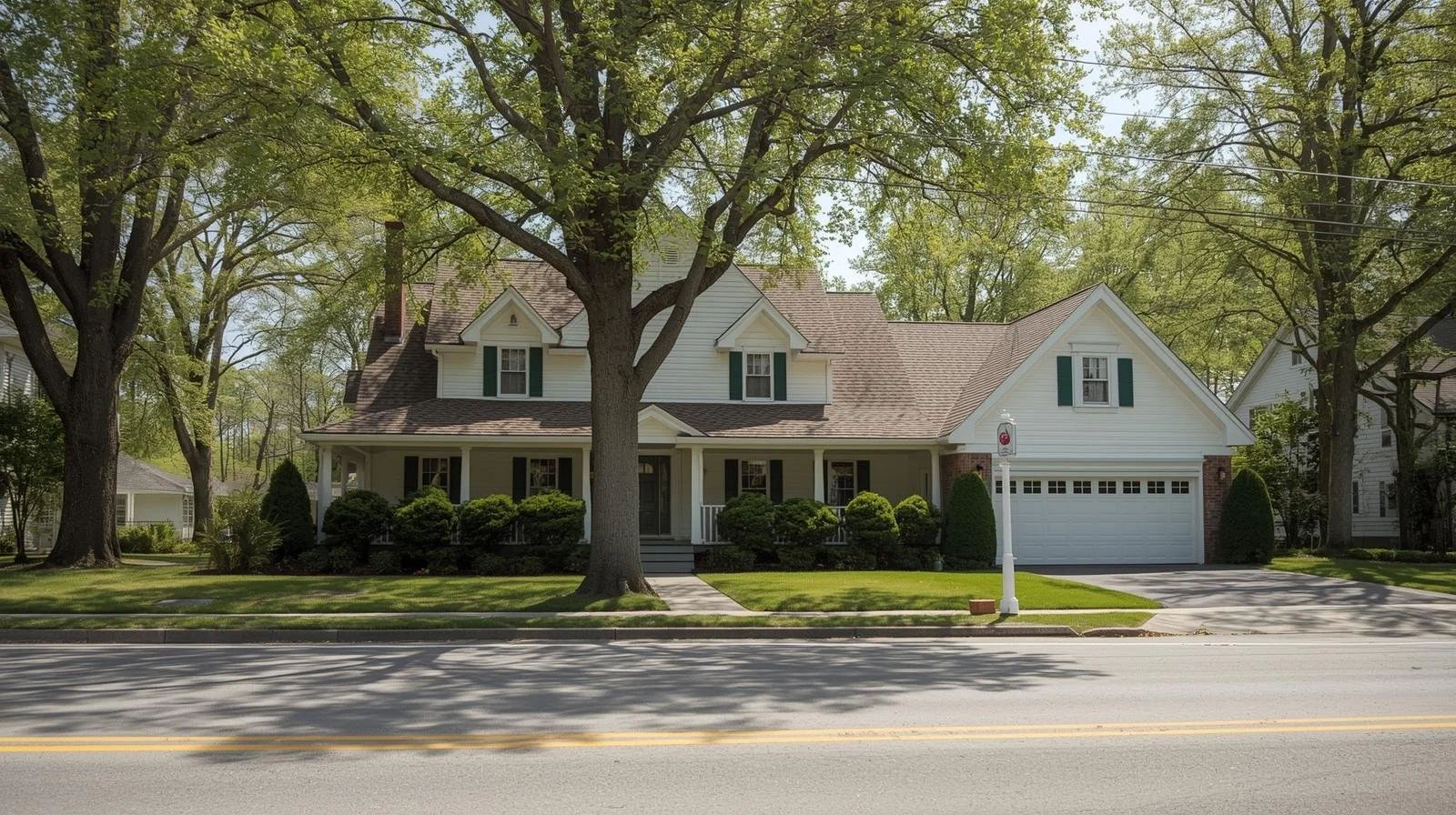
In the last post, we explored how multi-dwelling homes have existed across cultures for generations — not as a trend, but as a sensible response to real human needs.
Today, more families in Canada are quietly rediscovering that same logic.
Parents and adult children are asking a simple, practical question:
What if buying a home together actually makes more sense than trying to do this alone?
Why More Families Are Thinking This Way
For many adult children, whether in their early twenties or in their forties, the housing market feels increasingly out of reach. Prices are high. Entry points are narrow. And building long-term stability alone can feel daunting, even with steady work.
At the same time, many older parents are approaching retirement with a different set of questions:
How do we downsize well?
How do we plan for aging without becoming isolated?
Where should our savings actually go?
How can we financially help our adult children, while still taking care of our own needs?
For a growing number of families, these questions are converging.
Rather than adult children stretching to buy small, inflexible homes — and parents spending significant resources on retirement communities or separate housing — families are exploring shared investment in a single, well-designed property.
Not always because they have no other options, but because this option may be the most practical one.
The Financial Case for Buying Together
At its core, buying a home together allows families to pool resources in a way that opens up better possibilities.
Some of the most common financial advantages include:
1. Greater Purchasing Power
Combining savings, equity, or borrowing capacity often allows families to buy:
A better-located property
A larger or more adaptable home
Land that can support multiple dwellings
This can mean the difference between settling for what’s available and choosing something that actually fits long-term needs.
2. Investing in a Generational Asset
When parents invest in a multi-generational home, that money isn’t disappearing into rent or a retirement facility. It’s being placed into a tangible asset — one that can:
Support multiple households now
Adapt as needs change
Remain within the family over time
In many cases, this approach preserves and grows generational resources rather than slowly depleting them.
3. Shared Costs, Smarter Use of Space
Living on one property — in separate but connected dwellings — can reduce overall costs through:
Shared land and infrastructure
Lower per-household utility and maintenance costs
More efficient use of space
Instead of paying for multiple fully separate properties, families are investing in one that works harder for everyone.
A Simple Financial Comparison
To make this more concrete, let’s look at an example.
Scenario A: Buying Together
Purchase price: $1.2 million
One property with two independent dwelling units
Interest rate: 3.70%
Amortization: 25 years
Down payment: 20% ($240,000)
Mortgage amount: $960,000
At these terms, the monthly mortgage payment is approximately:
≈ $4,700–$4,800 per month
Split between two households, that’s roughly:
≈ $2,350–$2,400 per household, per month
Each family has their own self-contained living space, while jointly investing in a single long-term asset.
Scenario B: Buying Separately
Adult children purchase a $600,000 home
20% down ($120,000)
Mortgage: $480,000
Monthly payment: ≈ $2,350–$2,400
Parents move into a retirement or assisted-living community
Typical monthly cost: $4,000–$6,000+
Payments do not build equity
In this scenario, the combined monthly housing cost often reaches:
≈ $6,500–$8,500+ per month
With only one household building equity.
This is a simplified example, but not unlike the scenarios many families find themselves in. We often just don’t take the time to share together with our parents or with our adult children, and to explore possibilities together.
But it’s time to change that.
The Added Benefits
While finances are often the starting point, many families find that shared living brings additional, very practical benefits:
Built-in childcare support
Easier coordination of elder care
More time together across generations
A stronger sense of daily connection
These aren’t the reason most families start the conversation — but they’re often why they’re glad they did.
First Practical Steps to Explore This Together
If this idea feels worth exploring, here are some grounded first steps families can take:
Start with an honest conversation
Talk openly about finances, expectations, privacy, and long-term plans.Clarify the financial picture
Understand who is contributing what, and how ownership might be structured.Explore what’s possible on paper
Look at zoning, property types, and basic design options — before falling in love with a specific house.Work with people who understand multi-dwelling design
Not all builders or designers think this way. It helps to work with those who do.
A Forward-Thinking Way to Live Well
Choosing to buy a home together isn’t a step backward. It’s a thoughtful response to today’s realities.
It’s a way to:
Share costs wisely
Use land more intentionally
Support one another across life stages
Build stability that lasts
At AERAS Dwellings, we help families explore these possibilities — practically, legally, and thoughtfully — so that shared living becomes a strength rather than a compromise.
Reach out to us if you’d like us to help with any stage of this process, from the family conversation to designing and building your shared dream home.
In a time of rising costs and growing isolation, this way of living isn’t just viable.
It’s forward-thinking.
– Timo, Nathan, and the AERAS Team
AERAS Dwellings — Building homes for wholeness, one village at a time
