

This Is Not New: A Global Story of Multi-Dwelling Homes
When we talk about multi-dwelling properties today — attached suites, interior conversions, backyard dwellings, and multi-unit homes — it can sound like we’re inventing something new.
But in truth, we’re remembering something very old.
Across cultures and centuries, families have lived in ways that balance independence with closeness. Multiple dwellings on a single piece of land. Shared outdoor space. Private interiors. Homes that grow and adapt as life unfolds.
Long before zoning bylaws and housing shortages, people intuitively designed for multi-generational living — not because it was novel, but because it made sense.
The Lapa: A Homestead Built for Belonging
In Botswana, parts of South Africa, and throughout much of Africa, many families live — or have lived — in what’s called a lapa.
A lapa is not a single house. It’s a homestead: multiple small dwellings, often detached, arranged around a shared courtyard. Each unit serves a different household or function — parents, adult children, elders — all oriented toward a common centre.
This is, in many ways, the original detached backyard dwelling.
Privacy is preserved through separate structures.
Community is fostered through shared outdoor space.
Homes expand organically as families grow.
What’s striking is how familiar this feels. Even if we’ve never lived in a lapa, many of us recognize it. Something in us says: Yes — this works.
Asia and Europe: Adapting Homes Over Time
Throughout Asia and Western Europe, multi-generational living has long taken shape through attached dwellings and interior adaptation.
Courtyard homes in China housed extended families in separate wings.
Japanese homes were often reconfigured internally as parents aged.
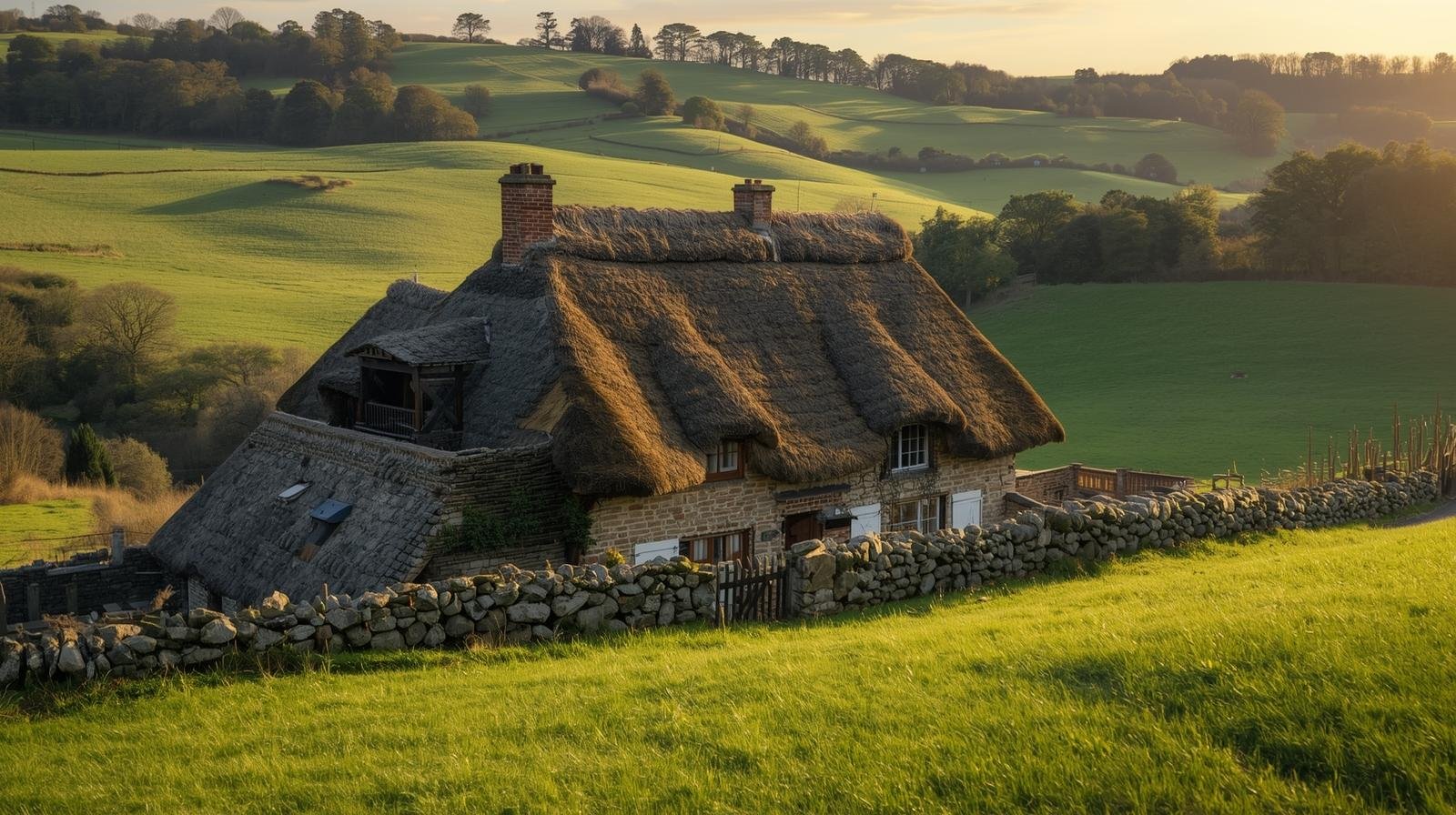
European farmhouses and village homes expanded over generations, adding floors or connected suites.
These traditions closely resemble what we now call interior conversions and attached secondary dwellings — adapting existing structures to meet changing family needs while remaining close.
North America: A Forgotten Familiarity
Even in North America, multi-dwelling living is not foreign — we’ve simply grown unused to it.
Older neighbourhoods still tell the story:
Homes with basement apartments for parents
Duplexes and triplexes built into walkable communities
Farm properties with multiple dwellings for extended family
Many of our most loved neighbourhoods were shaped by these patterns — long before we had names for them.
What This Looks Like in Ontario Today
Here in Ontario, these age-old ideas are quietly re-emerging — this time through zoning reform and housing policy.
Across much of the province:
Secondary suites are now permitted in most residential zones
Detached backyard dwellings (ADUs) are increasingly allowed “as-of-right”
Municipalities are encouraging gentle density rather than large-scale redevelopment
What this means, practically, is that many of the living arrangements people intuitively want — a place for aging parents, adult children, or shared family investment — are now legally possible where they once were not.
The challenge is rarely imagination.
It’s navigation.
Understanding what’s allowed, how to design it well, and how to shape a property so that it feels intentional rather than crowded.
Four Approaches, One Shared Story
Across continents — and now within Ontario’s regulatory framework — the same four approaches keep appearing:
Attached secondary dwellings
Interior conversions
Detached backyard dwellings (the modern lapa)
Multi-unit redesigns of existing homes
Different expressions.
The same human wisdom.
Remembering What We Already Know
Multi-dwelling homes aren’t a trend or a workaround. They’re a return — to homes that can hold more than one household, and to land that gathers people instead of separating them.
At AERAS, we see this work as helping families reconnect with something they already understand at a deep level: home works best when it’s designed for relationship, adaptability, and care.
The rules are changing.
The need is growing.
And the path forward may be older — and closer — than we think.
– Timo, Nathan, and the AERAS Team
AERAS Dwellings — Building homes for wholeness, one village at a time
